What is blood pressure?
Blood pressure is the force of blood pushing against the inside of your blood vessels (arteries). Arteries are the tubes that carry blood from your heart to your brain and the rest of your body.
Your body needs some pressure to move blood around.
Blood pressure changes during the day. It often goes up when you are moving about or stressed, and goes down when you are resting or asleep. It becomes a problem when your blood pressure is high most of the time, even when you are resting.
Blood pressure numbers
Blood pressure is written as two numbers, like this: 120/80, or said as 120 over 80.
-
Systolic (top number): the pressure in your arteries when your heart pushes blood out.
-
Diastolic (bottom number): the pressure in your arteries when your heart relaxes between beats.
High blood pressure often develops slowly over time. There is usually more than one cause.
Things that can raise blood pressure include:
- Carrying extra weight
- Eating a lot of salty or processed foods
- Not moving much
- Drinking too much alcohol
- Smoking
- Long-term stress
- Getting older
- High blood pressure in the family
Some health conditions and medicines can also raise blood pressure.
You cannot change everything, but small changes (like moving more, eating less salt, or cutting back on alcohol) can still make a big difference.
High blood pressure often has no symptoms, but it can slowly damage the body over time.
If high blood pressure is not treated, it can increase the risk of:
- Heart attack – damage to the heart or blocked heart vessels
- Stroke – damage to blood vessels in the brain
- Heart failure – when the heart struggles to pump properly
- Kidney problems – including kidney disease
- Vision problems – damage to blood vessels in the eyes
- Some types of dementia – linked to long-term blood vessel damage
The good news is that checking blood pressure regularly, making small lifestyle changes, and taking medicines if needed can greatly reduce these risks.
High blood pressure usually doesn’t cause obvious symptoms. Many people feel completely fine, even when their blood pressure is dangerously high. That’s why checking your blood pressure regularly is so important.
Common signs (when symptoms do happen)
Most people have no symptoms, but some may notice:
- Lots of headaches
- Feeling dizzy or light-headed
- Blurred vision
- Shortness of breath
- Chest pain
- Feeling very tired
- Nosebleeds (less common)
These symptoms can also be caused by other conditions, the only way to know for sure is to measure your blood pressure or contact your GP surgery.
Call 999 if someone has:
- Chest pain
- Trouble breathing
- A droopy face
- Weak arm or leg
- Problems speaking
These could be signs of a heart attack or stroke.
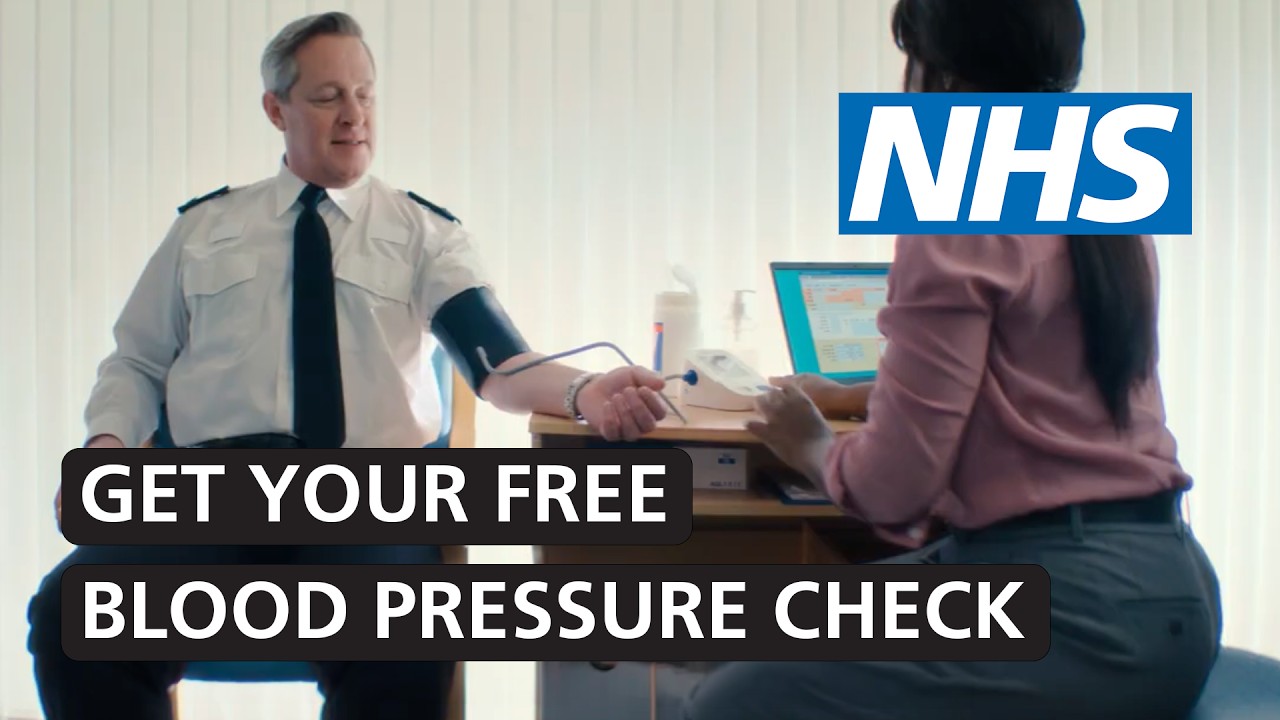
The only way to know what your blood pressure is, is to have it measured. Blood pressure is often measured using a blood pressure monitor. The test is quick and does not normally hurt.
- A cuff is placed around your upper arm
- The cuff gently tightens and then relaxes
- The monitor shows your reading
You can have your blood pressure checked in several places, including:
- Your GP practice
- Some community pharmacies
- Some workplaces
NHS Health Check: If you are aged 40 to 74 and live in England or Wales, you may be invited for a free NHS Health Check about every 5 years.This includes a blood pressure check. For more information about NHS Health Checks click here